
Bharat Zero Emission Trucking
(ZET) Policy Advisory
How India Plans To Decarbonise
The Transport Sector
How India Plans To Decarbonise
The Transport Sector
As India marches toward a projected ₹2200 trillion economy over the next 25 years, the movement of goods stands as both the primary engine of growth and a potential logistical bottleneck. Road transportation currently handles a staggering 71% of India’s total freight movement, yet the reliance on internal combustion engines (ICE) presents a critical threat to our fiscal and environmental stability. While trucks constitute a mere 3% of the total vehicle population, they are disproportionately responsible for more than one-third of the transport-related CO2 emissions, resulting in increased air pollution levels in India.
By 2050, logistics demand is forecasted to surge to 9.6 trillion tonne-km, requiring a fleet of approximately 17 million trucks. If this expansion remains tethered to diesel, the resulting environmental degradation and energy dependency will jeopardize India’s sovereign commitments. Therefore, the transition to Zero-Emission Trucks (ZETs) is not merely a sectoral upgrade; it is the backbone of the national Net Zero 2070 goal. The Bharat ZET Policy Advisory serves as the authoritative blueprint for this transition, providing the strategic architecture necessary to push zero-emission vehicle sales penetration to 100% by mid-century.
Decarbonizing road freight is a matter of national energy security and long-term fiscal health. India’s current diesel-dependent ecosystem is a massive drain on foreign exchange, with road freight accounting for over 25% of annual oil import expenditures amounting to ₹3.3 lakh crores in FY 2022-23 alone.
Shifting to ZETs encompassing both Battery Electric Trucks (BETs) and Fuel-Cell Electric Trucks (FCETs) offers a transformative shift towards energy efficiency. Conservative estimates suggest that ZET adoption could avoid consuming 838 billion liters of diesel by 2050, translating into a monumental cumulative saving of over ₹108 lakh crores in oil expenditures.

The strategic significance of this transition extends into the realm of public health and human capital. Conventional freight emissions of nitrogen oxides (NOx) and carbon monoxide (CO) are direct contributors to cardiovascular and respiratory diseases.
By eliminating tailpipe emissions, ZET adoption functions as a proactive fiscal strategy to lower the national healthcare burden, thereby boosting socio-economic resilience.Recognizing these stakes, the Office of the Principal Scientific Adviser (O/o PSA) has taken a leadership role, signaling a shift towards evidence-based, data-driven policymaking to solve India’s most complex logistical challenges.
The Bharat ZET Policy Advisory is the product of a sophisticated, multi-nodal collaborative architecture. To bridge the gap between technical possibility and market reality, the Office of the PSA established a Project Management Unit at the Centre of Excellence for Zero Emission Trucking (CoEZET) at IIT Madras. This effort was guided by the Consultative Group on eMobility (CGeM) and a high-level Policy Advisory Panel (PAP), ensuring that the recommendations are grounded in both academic rigor and industry pragmatism.

A defining feature of this advisory is its conceptualization as a "Living Document." In a sector characterized by rapid breakthroughs in battery chemistry and hydrogen efficiency, a rigid project plan would risk becoming obsolete early. Instead, the advisory adopts a technology-agnostic posture. This is a deliberate strategic advantage: by not prematurely "picking a winner" between BETs and FCETs, the framework remains agile. It allows India to pivot as the global supply chain shifts, effectively shielding the domestic industry from the risk of stranded assets and ensuring that policy remains synchronized with the latest techno-commercial realities.
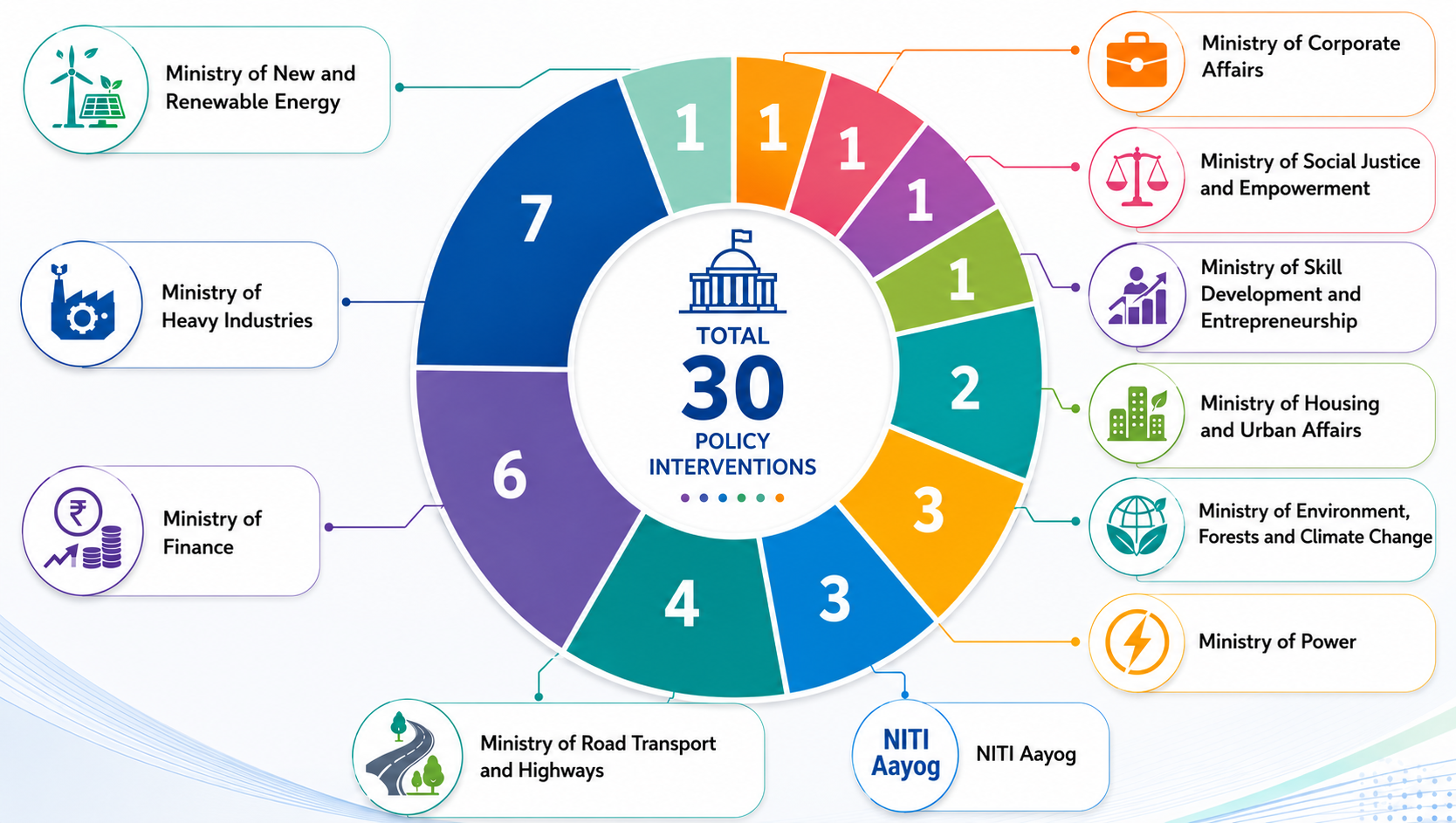
The advisory identifies 30 specific policy interventions, developed through "systems-thinking" to address the entire freight value chain. These are categorized into five strategic pillars
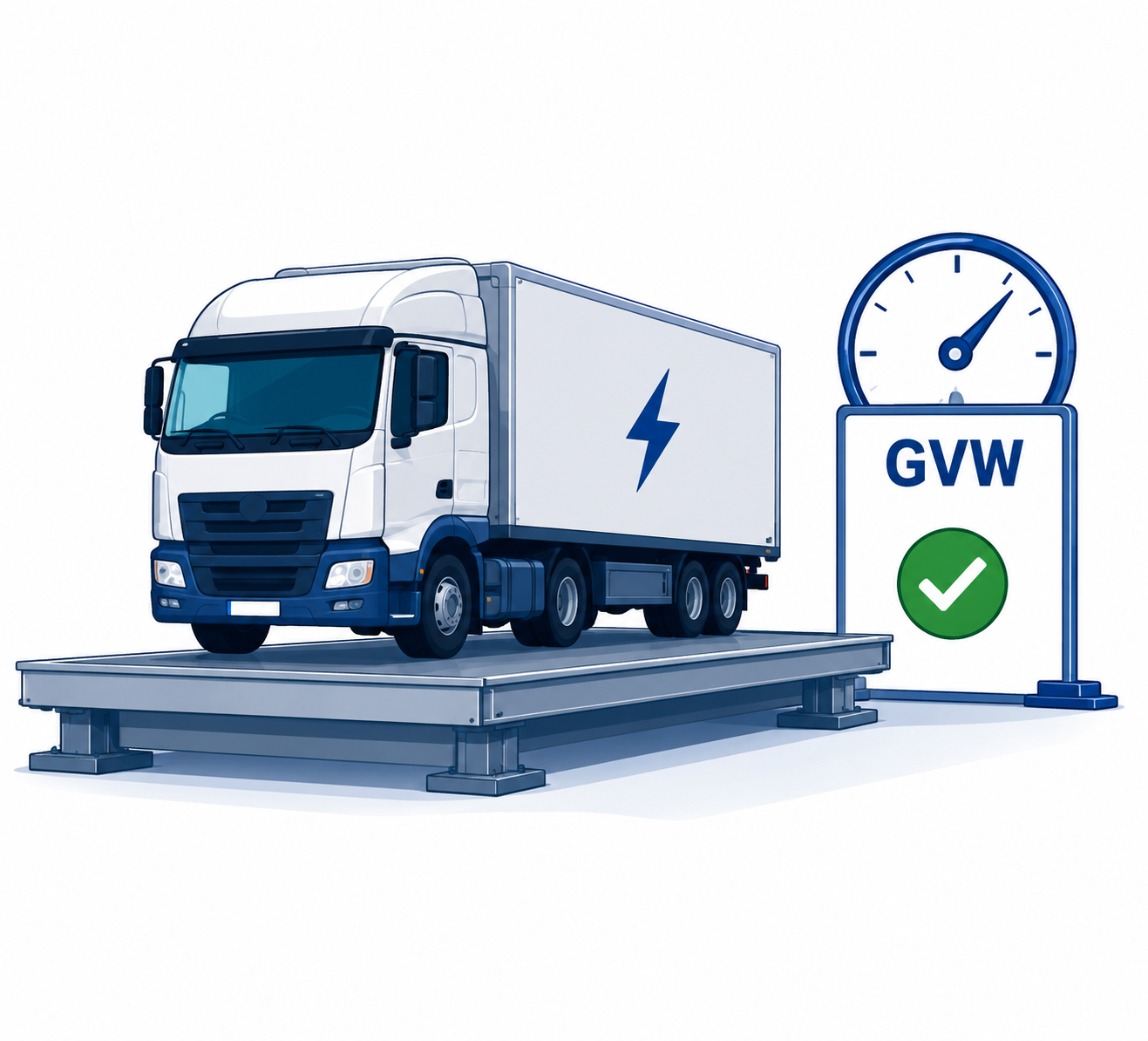
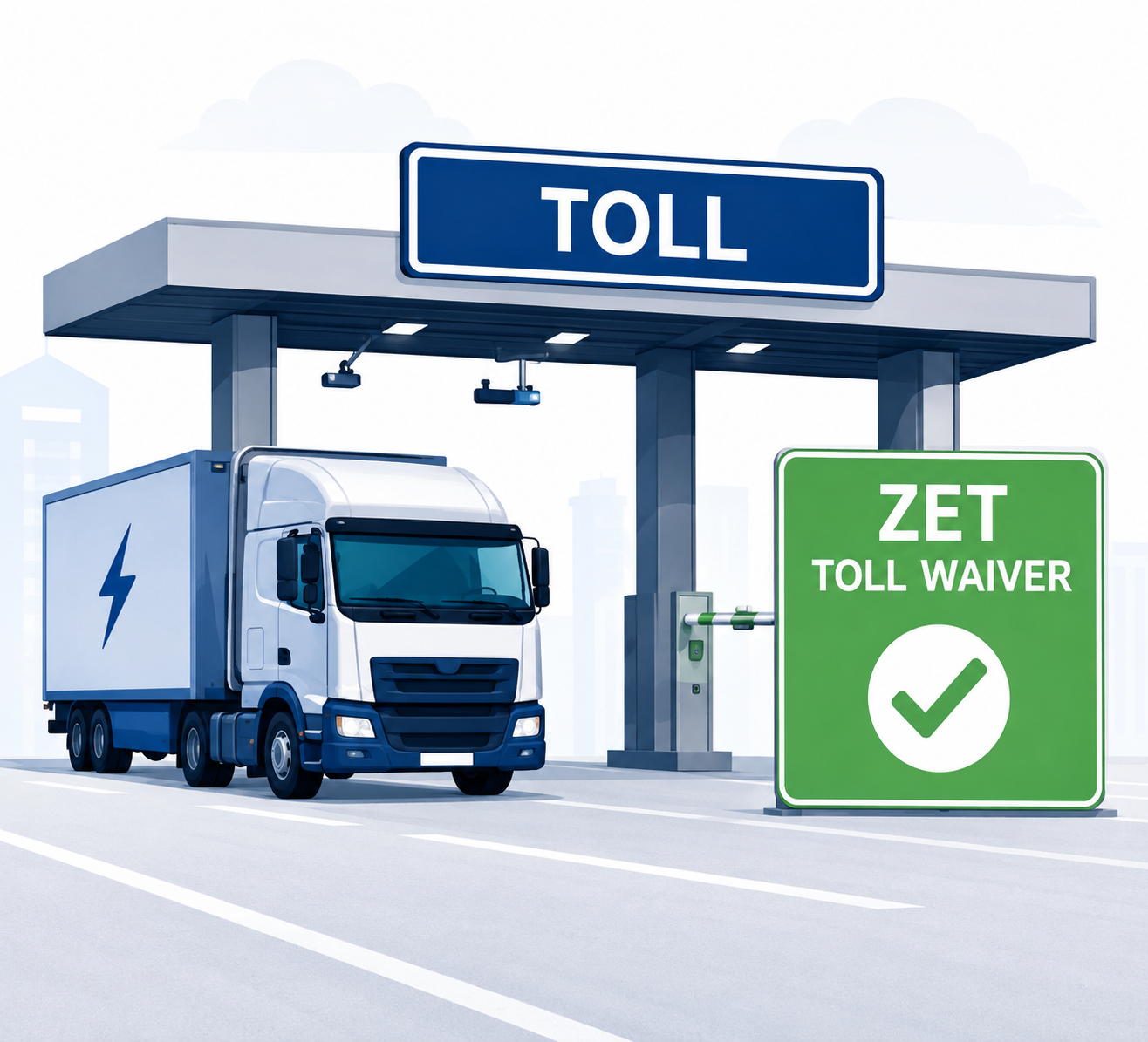
The Bharat ZET Policy Advisory identifies 30 policy interventions across five strategic pillars. Among them, the following ten interventions have emerged as key enablers for accelerating the adoption of Zero-Emission Trucks (ZETs) in India.
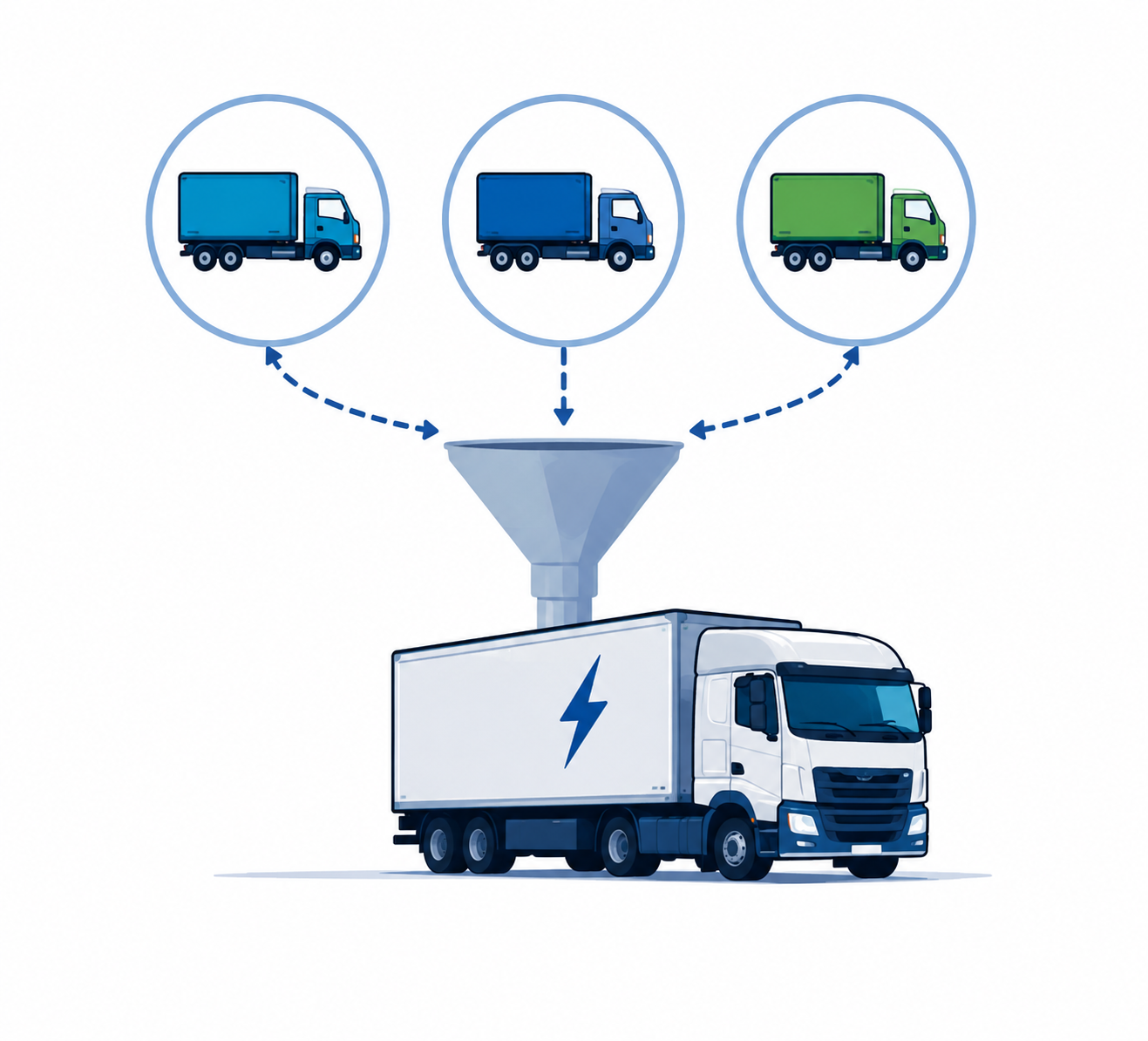
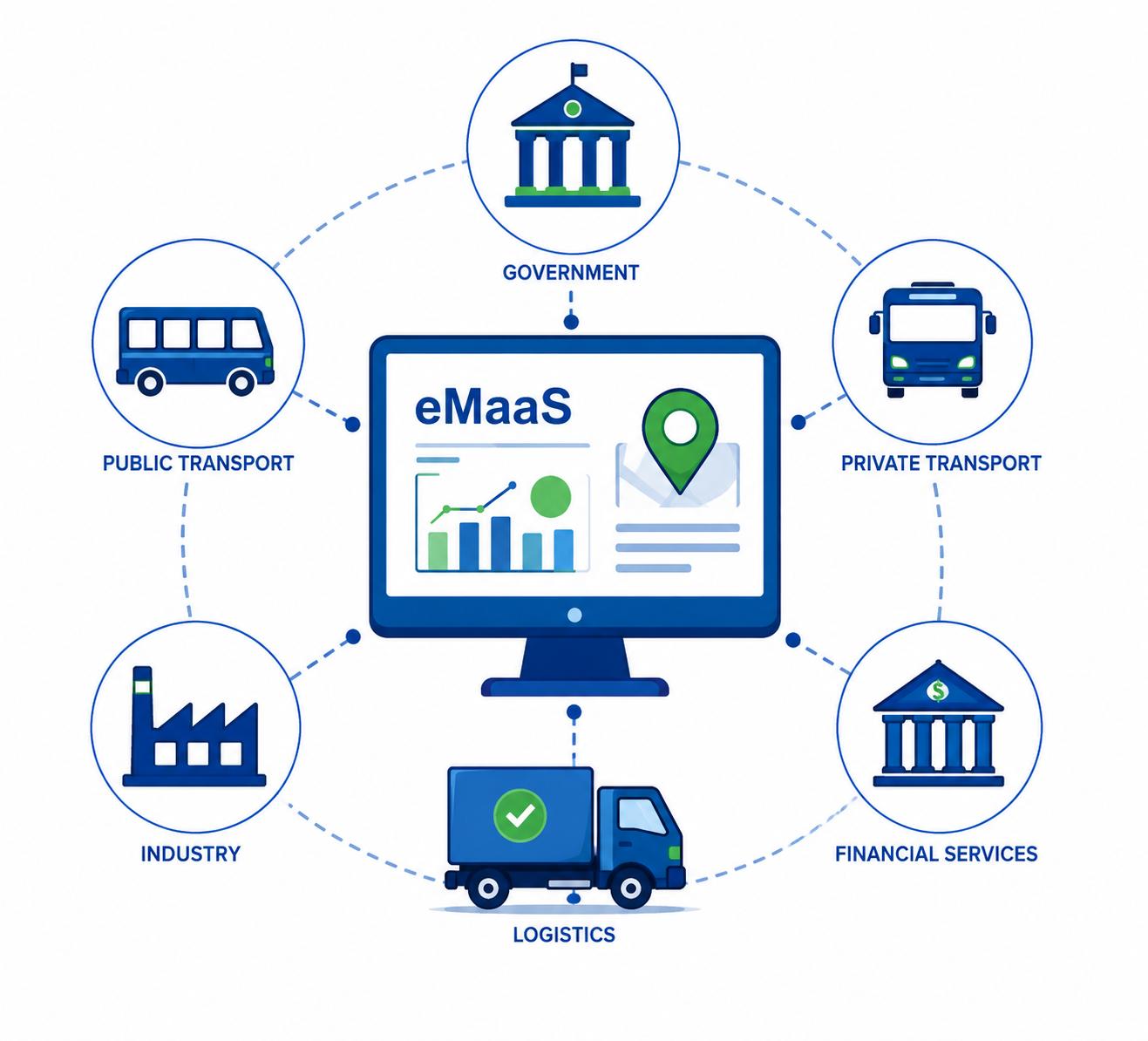

ZET adoption is a systemic challenge that transcends the jurisdiction of any single ministry. The Advisory proposes a synchronized, multi-nodal implementation strategy where the O/o PSA serves as the interdisciplinary bridge. The distribution of the 30 policy interventions highlights the scale of this effort.
The Bharat ZET Policy Advisory is not a rigid mandate but a strategic catalyst designed to spark a coordinated national response. The cost of inaction is a permanent drag on India's global competitiveness and a continued drain on the national treasury through fuel imports and healthcare costs. Successful implementation of this roadmap will redefine the Indian freight ecosystem for the next century. It is a strategic directive for manufacturers, fleet owners, and financiers to move beyond the "wait-and-see" approach. Stakeholders are urged to engage immediately with the e-FAST platform and the evolving regulatory framework. The transition to zero-emission trucking is inevitable; the Bharat ZET Policy Advisory ensures that for India, this transition will be both profitable and sustainable.